
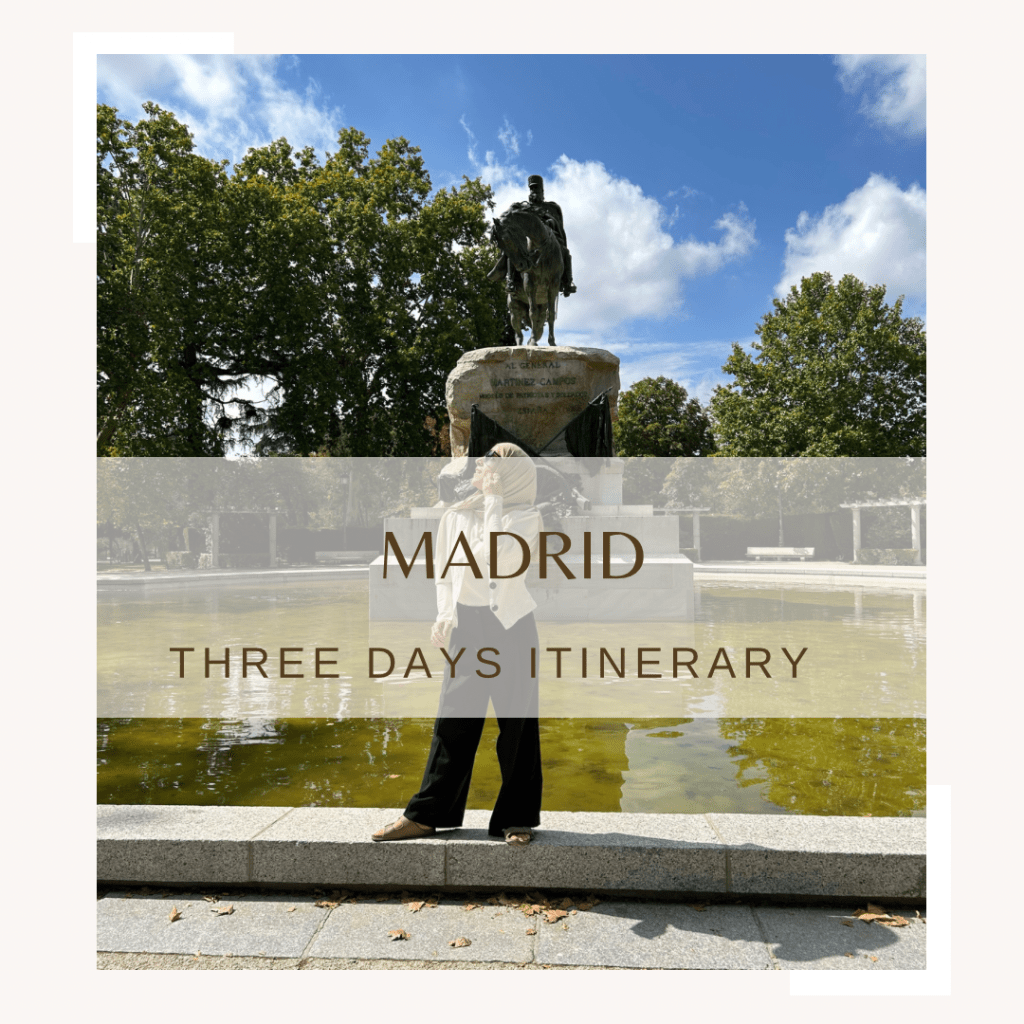
Madrid, the vibrant capital of Spain, is more than just a modern metropolis—it’s a city where history, art, and culture converge to create a dynamic and captivating atmosphere. My trip to Spain started and ended in Madrid, I spent in total around three days there, after sharing with you my trip to Granada, Seville and Cordoba, let us explore together my visit to Spain. First, let us dive in its history.
Historical Overview:
Medieval Origins: Madrid’s beginnings can be traced to the 9th century when it was a small Muslim fortress. The city’s name is believed to have originated from the Arabic term “magerit,” meaning “place of many streams.”
Habsburg Dynasty (16th – 17th Century): Madrid gained prominence during the Habsburg dynasty when it became the capital of Spain. King Philip II moved the royal court to Madrid in 1561, a decision that laid the foundation for the city’s growth.
Bourbon Dynasty (18th Century): The arrival of the Bourbon dynasty in the early 18th century brought architectural and cultural transformations. The Palacio Real (Royal Palace) and the Prado Museum were established during this period.
Peninsular War and 19th Century: Madrid witnessed the ravages of the Peninsular War (1808-1814) during the Napoleonic era. In the 19th century, the city saw urban development and the creation of landmarks like the Puerta de Alcalá.
Spanish Civil War (1936-1939): Madrid played a crucial role in the Spanish Civil War, symbolizing resistance against Franco’s forces. The war left a lasting impact on the city’s collective memory.
Modern Era: In the latter half of the 20th century, Madrid underwent significant economic and cultural growth. The city became a thriving hub for arts, entertainment, and international tourism.
How to reach there
From Lebanon, I took MEA trip as I explained in the Granada post, I also I took the trains from Madrid to Granada and back from Seville, I booked my ticket ahead of time on OMIO; the ticket from Seville costed 103 euros and there was wifi on board, I had bought lunch so I didn’t check the cafeteria. The taxi pick up from train station was so so so long, and the other bummer was that the access to the beautiful side of Atocha was only while leaving Madrid.

Where to stay
I stayed the first time at Chic and Basic dot hotel and at my return I booked room mate Mario. Both locations are walking distance from Gran via, however I preferred the room in the first one.


Where to eat / drink
Coffee shops: Let’s make one thing clear, ALL the coffee places in Spain were serving the best coffee! La bicicleta and federal cafe were both great spots to enjoy a breakfast with great coffee and beautiful locations. For desserts, you cannot miss the Churros from San Gines ,I also had ice cream at Klick.


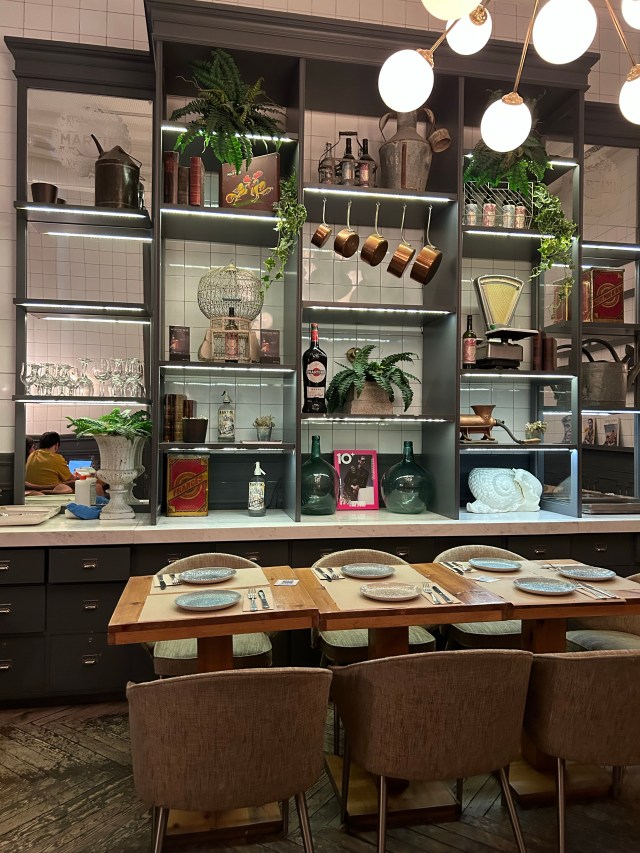
Restaurants: La Chata in the Latin neighborhood is one of the authentic places with history and serving great staples of Spanish cuisine in a lively atmosphere. El Imparcial should be on you list, a newspaper turned into restaurant on the second floor of a concept store, the service and the food were the best elements of a great dinner; make sure not to miss their dessert! For casual options, honest greens was my favorite (has also branches in Lisbon where I enjoyed my lunch twice!)you can customize your order with an extensive salads menu; obviously Mercado de San Miguel is a must, a bustling market offering a variety of Spanish delicacies; from tapas, to seafood, and artisanal products in this vibrant culinary haven. I enjoyed personally the empanadas and some fresh fruits to end the meal with antioxidants boost!



What to see
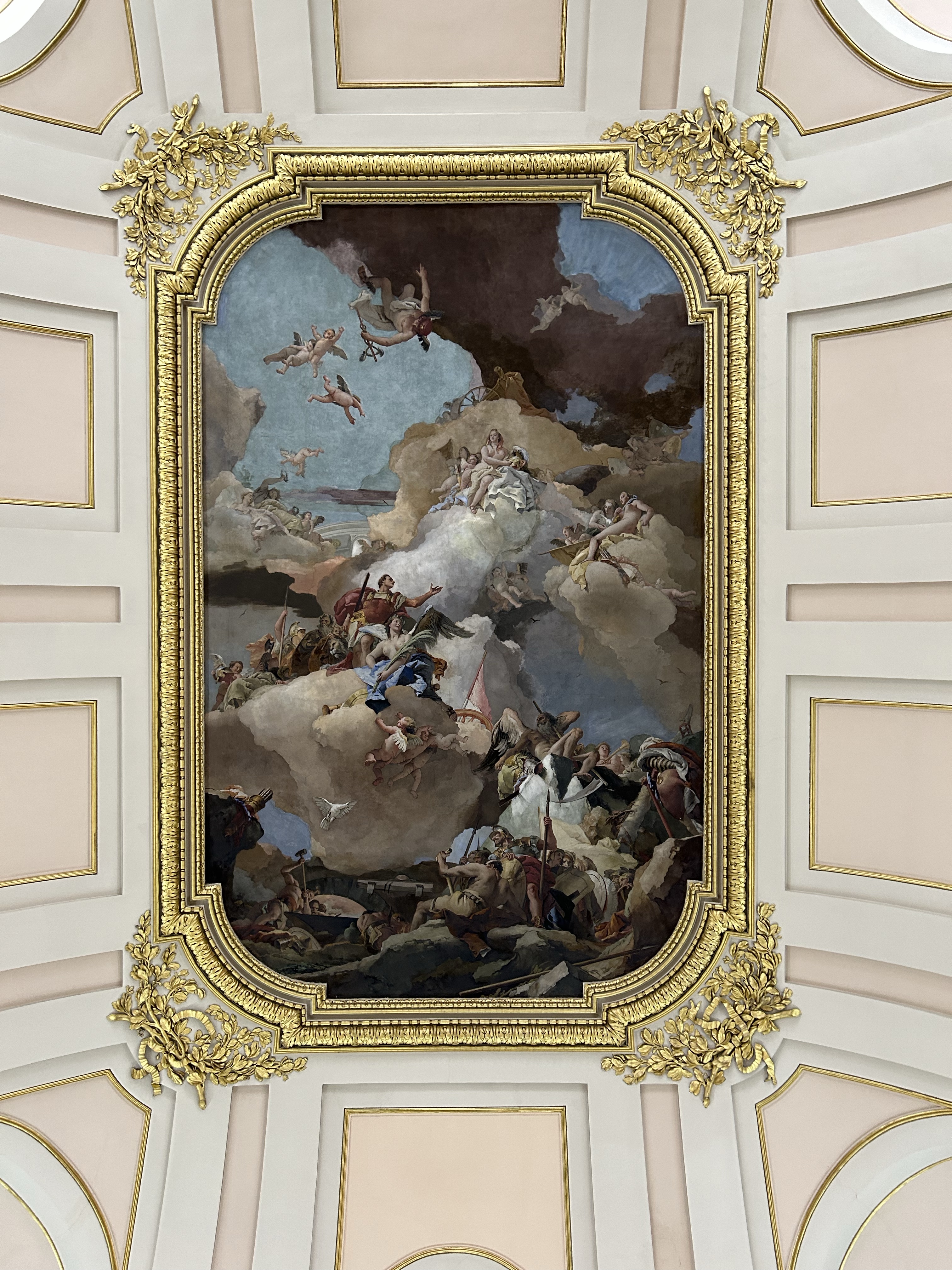
Royal Palace (Palacio Real): The Royal Palace, constructed in the mid-18th century, is a stunning example of Spanish Baroque architecture. While it is no longer the primary residence of the Spanish monarch, it remains a symbol of royal grandeur.
Plaza Mayor: Built during the Habsburg period, Plaza Mayor has served various purposes, from markets and bullfights to royal proclamations. The architectural ensemble is a testament to Madrid’s historical and cultural significance.

Retiro Park (Parque del Retiro): Once a royal retreat in the 17th century, Retiro Park is now a beloved public space. Its highlights include the Crystal Palace, a large artificial lake, and sculpted gardens.

Gran Vía: Gran Vía, often referred to as Madrid’s Broadway, was developed in the early 20th century. Lined with theaters, shops, and iconic buildings, it represents the city’s modernization.

Puerta del Sol: Puerta del Sol has been a central square and a symbolic heart of Madrid since the 15th century. It is a site of significant events, including New Year’s Eve celebrations and political gatherings.
El Rastro: its origins date back to the 18th century, “El Rastro” translates to “the trail” or “the trace,” referring to the trail of blood left behind when the area was historically used for the herding and slaughtering of livestock.is a famous open-air flea market and is one of the largest and most popular street markets in Europe; it is held every Sunday in the historic neighborhood of La Latina, and offers a wide variety of items for sale, including antiques, clothing, accessories, furniture, art, souvenirs, and much more.

Palacio de Cibeles: it is a prominent landmark in Madrid, Spain. It was originally known as the Palacio de Telecomunicaciones (Telecommunications Palace). It was designed by architects Antonio Palacios and Joaquín Otamendi and constructed between 1907 and 1919. In 2011, the City of Madrid acquired the building and undertook extensive renovations. The building was renamed Palacio de Cibeles CentroCentro, and it was repurposed as exhibition spaces, event venues, a media library, and a terrace with panoramic views of Madrid.

Templo de Debod: Given to Spain by Egypt in 1968, the Templo de Debod is an ancient Egyptian temple reconstructed in Madrid. It offers a unique blend of cultures and stunning sunset views.
Madrid, with its seamless blend of history and modernity, invites visitors to explore its diverse neighborhoods, savor its culinary delights, and immerse themselves in the vibrant arts and culture scene. The city’s sites are not just monuments; they are living stories that echo the resilience and spirit of Madrid through the ages.
My three days itinerary
Day 1: Exploring around
6:00 PM – Puerta del Sol and Plaza Mayor: It was the day of my arrival, so after checking in Chic and Baic hotel, I walked to Puerta del Sol, Madrid’s symbolic center, with the iconic Tio Pepe sign and the statue of El Oso y El Madroño. From there, I walked to Plaza Mayor, a historic square surrounded by vibrant buildings with plenty of cafes and restaurants all around. A few minutes away is La Latina neighborhood where I had dinner at la Chata; the area is known for its lively atmosphere and diverse tapas bars.
The morning after was a Sunday, so before taking the train to Granada, I had breakfast at la bicicleta and went after to explore Salamanca neighborhood then back to El Rastro market.
Day 2: Local Experiences
7:00 PM – Flamenco show: Arriving back from Seville, to check in Room Mate Mario hotel, and a stroll through Plaza Mayor to go watch the most moving flamenco show at Tablao Flamenco 1911 which is the most beautiful experience that you should not miss.
10:00 PM – Mercado de San Miguel: For late dinner was the best option!
Day 3: Historical Madrid and Cultural Treasures
9:00 AM – Royal Palace: A breakfast stop at Federal cafe to walk after to visit Royal Palace, an architectural gem with opulent rooms and stunning views of the city. Be careful as no photos are allowed inside the rooms. After which a churros stop at San Gines was a must!
12:00 PM – Palacio Cibeles: had many ongoing exhibitions, and the entrance is free.
12:30 PM – Retiro Park: I enjoyed the serene atmosphere and a leisurely walk through the well-manicured gardens. You can row a boat on the Retiro Pond or visit the Crystal Palace.
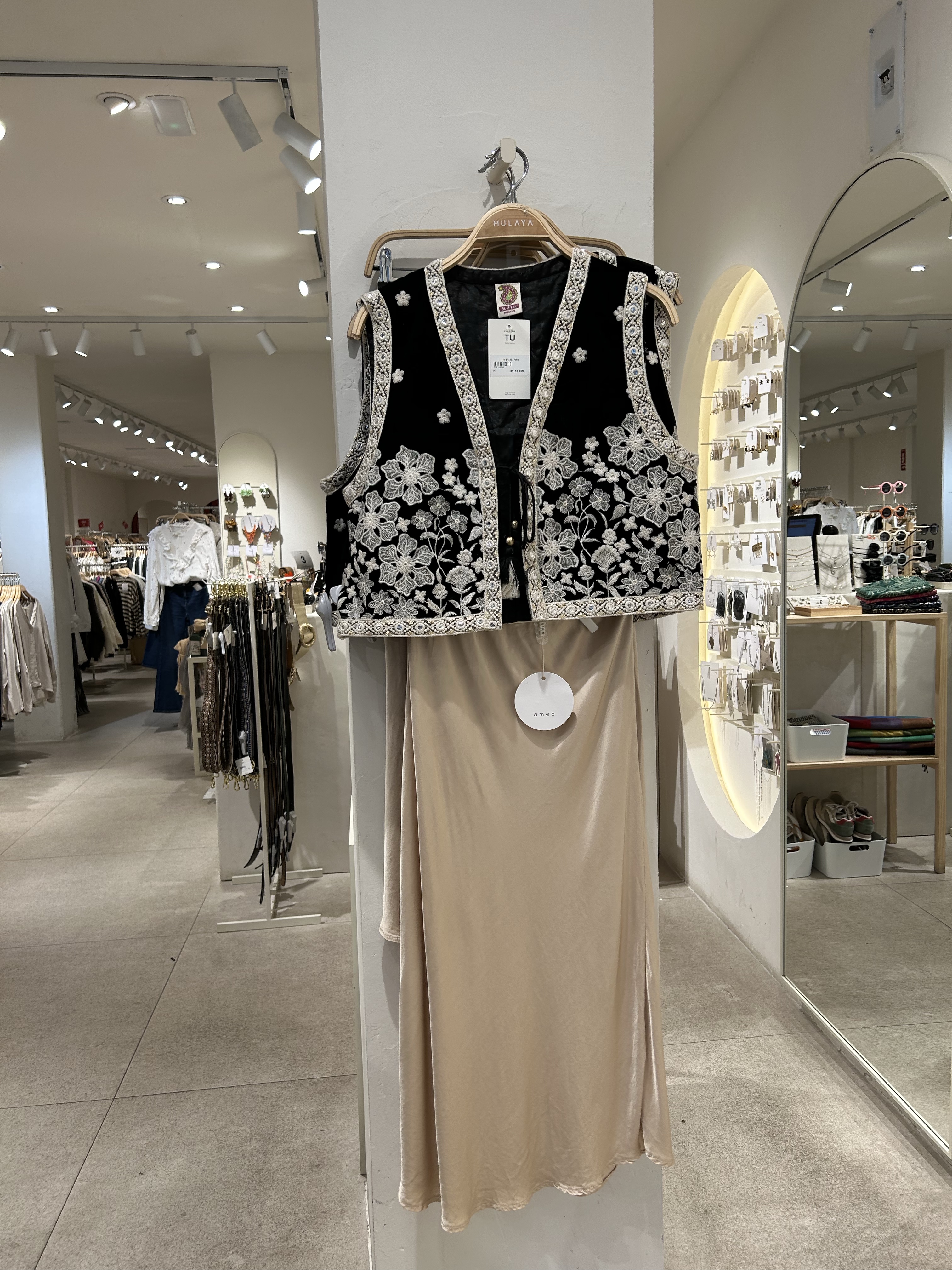
2:30 PM – Gran Vía: A quick lunch stop at Honest greens and it was time for me to explore Gran Vía, Madrid’s iconic shopping street.
8:30 PM – El Imparcial: The end of the trip couldn’t have been more perfect with dinner at El Imparcial.
Stay tuned for the last posts covering my trip to Lisbon and more!
Stay Fabulous and updated; subscribe to my blog, my instagram, and my Youtube channel and follow me on instagram, Facebook, tiktok, threads and twitter pages.
XOXO
La Petite


Leave a reply to Lisbon: One day itinerary – Style, Travel and Lifestyle blogger Cancel reply