

Seville, the heart of Andalusia, is a city that breathes history, a place where Muslim, Christian, and Jewish legacies intertwine. Its streets, monuments, and squares whisper tales of conquest, coexistence, and cultural flourishing. As you explore its must-see sites, you’ll find yourself immersed in a captivating narrative that defines the very essence of this enchanting city.
After exploring Granada, I took the train to visit Seville but before sharing my itinerary, let’s dive in its history.
Seville’s history.
Pre-Roman Period: Seville’s history dates back to ancient times when it was originally settled by the Tartessians, an ancient Iberian people. It later became a Carthaginian colony and was eventually incorporated into the Roman Empire.
Roman Period (c. 206 BCE – 409 CE): Known as Hispalis during Roman rule, the city flourished as a major trading center and played a crucial role in the commerce and agriculture of the region. Seville gained prominence with the construction of important Roman structures, including aqueducts and a defensive wall.
Visigothic Period (409 – 711): Following the fall of the Roman Empire, Seville experienced a Visigothic era characterized by political instability and social upheaval.
Muslim Period (711 – 1248): In 711, Muslim forces, led by Tariq ibn Ziyad, conquered Seville as part of the Islamic expansion into the Iberian Peninsula. The city became a center of learning, culture, and trade under Muslim rule. Seville was ruled by various Muslim rulers, including the Umayyads and the Almoravids. The construction of the Alcazar of Seville began during this period.
Reconquista and Christian Rule (1248 Onward): In 1248, after a lengthy siege, Seville was captured by King Ferdinand III of Castile during the Reconquista, marking the end of Muslim rule. The city became a Christian stronghold. The Gothic Seville Cathedral was built on the site of the former mosque.
Age of Discovery and Golden Age (15th – 17th Century): Seville became a crucial hub for explorers during the Age of Discovery. Christopher Columbus’s expeditions to the Americas were organized from Seville.The city’s wealth increased significantly due to trade with the New World. The Golden Tower (Torre del Oro) was constructed during this period.
18th Century Onward: Seville continued to play a vital role in Spain’s history, but its importance waned during the 18th century. The city experienced economic decline and social challenges during the 19th and early 20th centuries. In the late 20th century, Seville underwent significant urban development and became a major cultural and economic center in Andalusia. Today, Seville stands as a vibrant city that beautifully preserves and showcases its rich historical and cultural heritage, attracting visitors from around the world to explore its fascinating past.
How to reach there
I took the train from Granada, I booked my ticket ahead of time on OMIO. The ticket from Granada costed 57 euros. The trip was long, and there was no wifi on board nor a cafeteria. The taxi pick up from train station was easier than Granada!
Where to stay
I stayed in the charming Hotel casa 1800, they have free coffee, water and a free afternoon tea time which is extremely generous, the room was a piece of art with its own little terrace! The location is just few steps away from the cathedral and the alcazar, and around 20 minutes walk from the Plaza de Espana.


Where to eat / drink
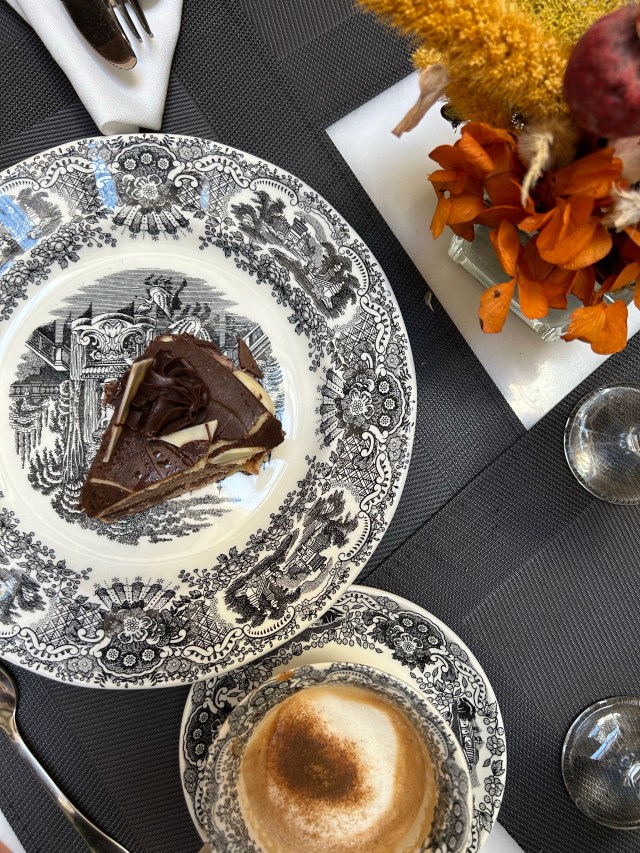
Coffee shops: This is the best part of my vacation where I get to explore the coffee shops and breakfast spots in different cities and Seville didn’t deceive. The first breakfast and freshly brewed coffee was at Jester , another spot was at Capuccino which also has branches in Madrid.
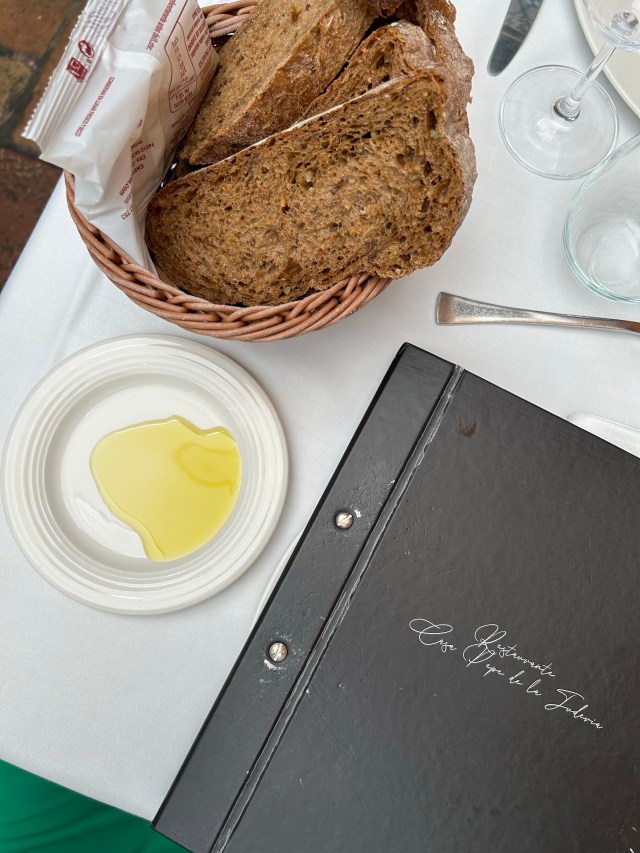
Restaurants: If there is one restaurant that needs to be on your list when you visit Seville, it has to be Casa Ozama; from the decoration to the cuisine and service, top notch! As for Cordoba, you have to enjoy a meal at Casa pepe Juderia; again impressive food and service. Back to Seville, Torres y Garcia located in the heart of the city and has a traditional menu served in a very lively ambiance, as for Catalina, it was a great random discovery while searching for take away food to enjoy on the train ride back to Madrid!






What to see
1. Alcazar of Seville: a UNESCO World Heritage Site, boasts a history dating back to the 10th century when it was constructed as a fortress for Muslim rulers. Over the centuries, it evolved into a stunning palace complex reflecting Mudejar, Gothic, Renaissance, and Baroque influences. It’s a living testament to the city’s multicultural past. Must-See: The Patio de las Doncellas, with its intricate tilework, the enchanting gardens of the Real Alcazar, and the majestic Ambassadors’ Hall showcase the opulence and architectural brilliance of this historical gem.

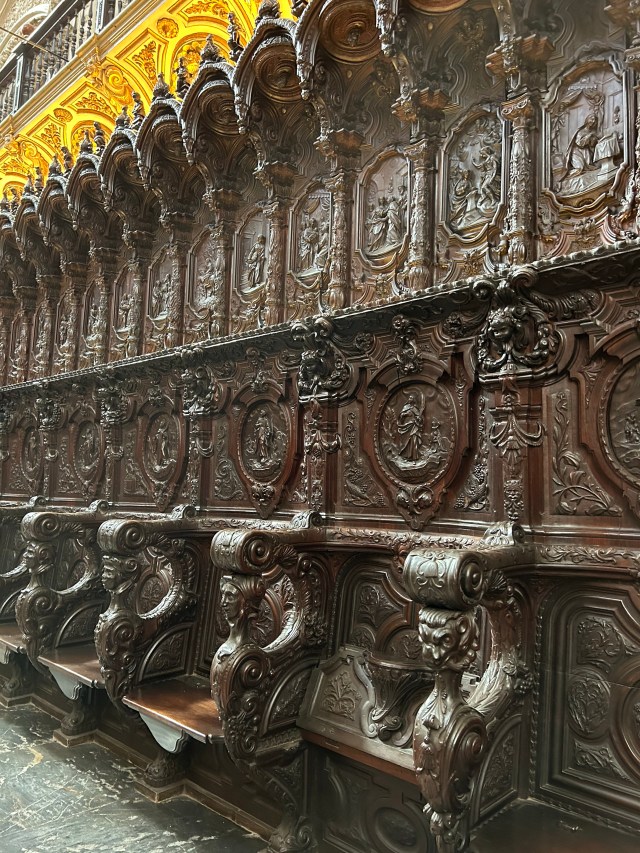
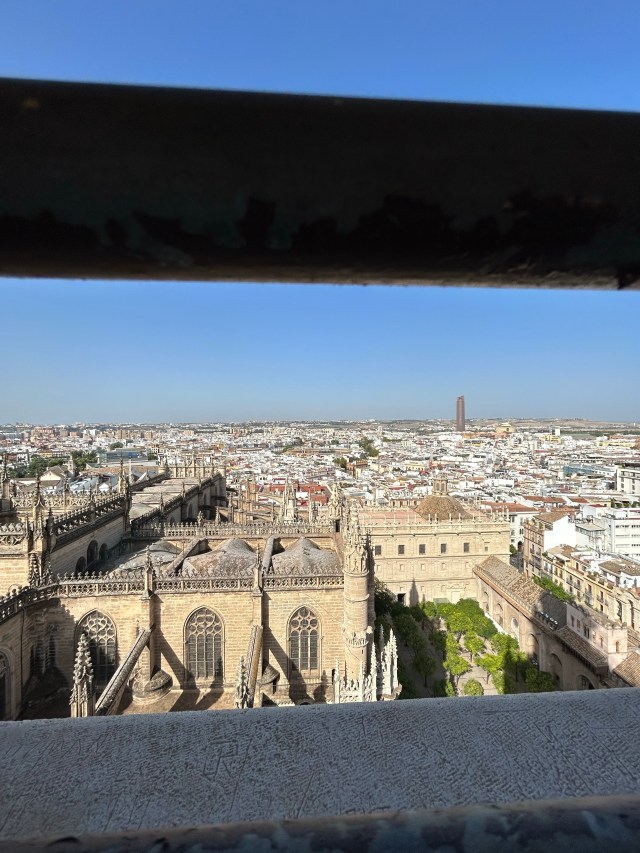
2. Seville Cathedral: it was a mosque, and its construction began in the early 15th century after the Reconquista. It is the largest Gothic cathedral in the world and embodies the transition from Muslim to Christian rule in Seville. Must-See: The Giralda Tower, originally a minaret of the mosque, offers panoramic views of the city. Inside the cathedral, marvel at the ornate altars, the Tomb of Christopher Columbus, and the awe-inspiring central nave.
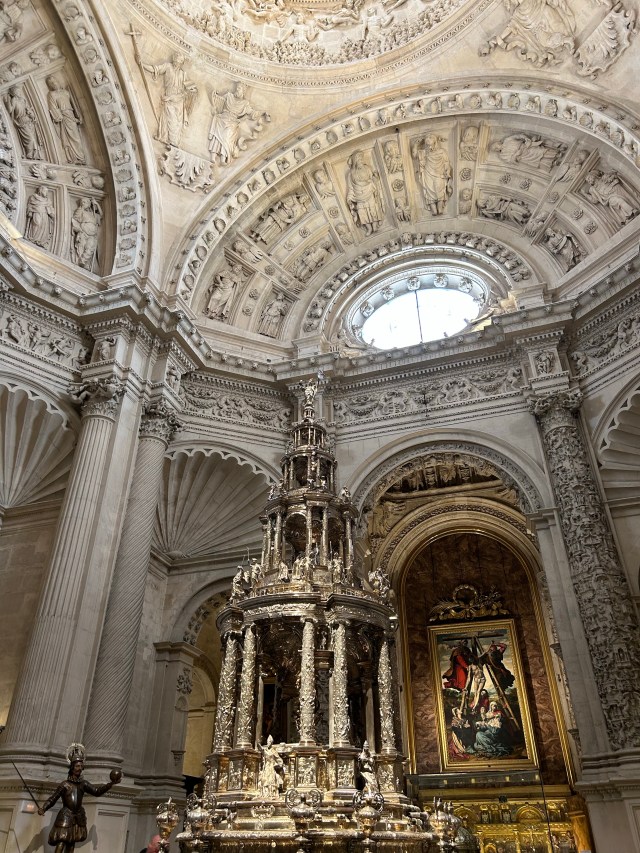
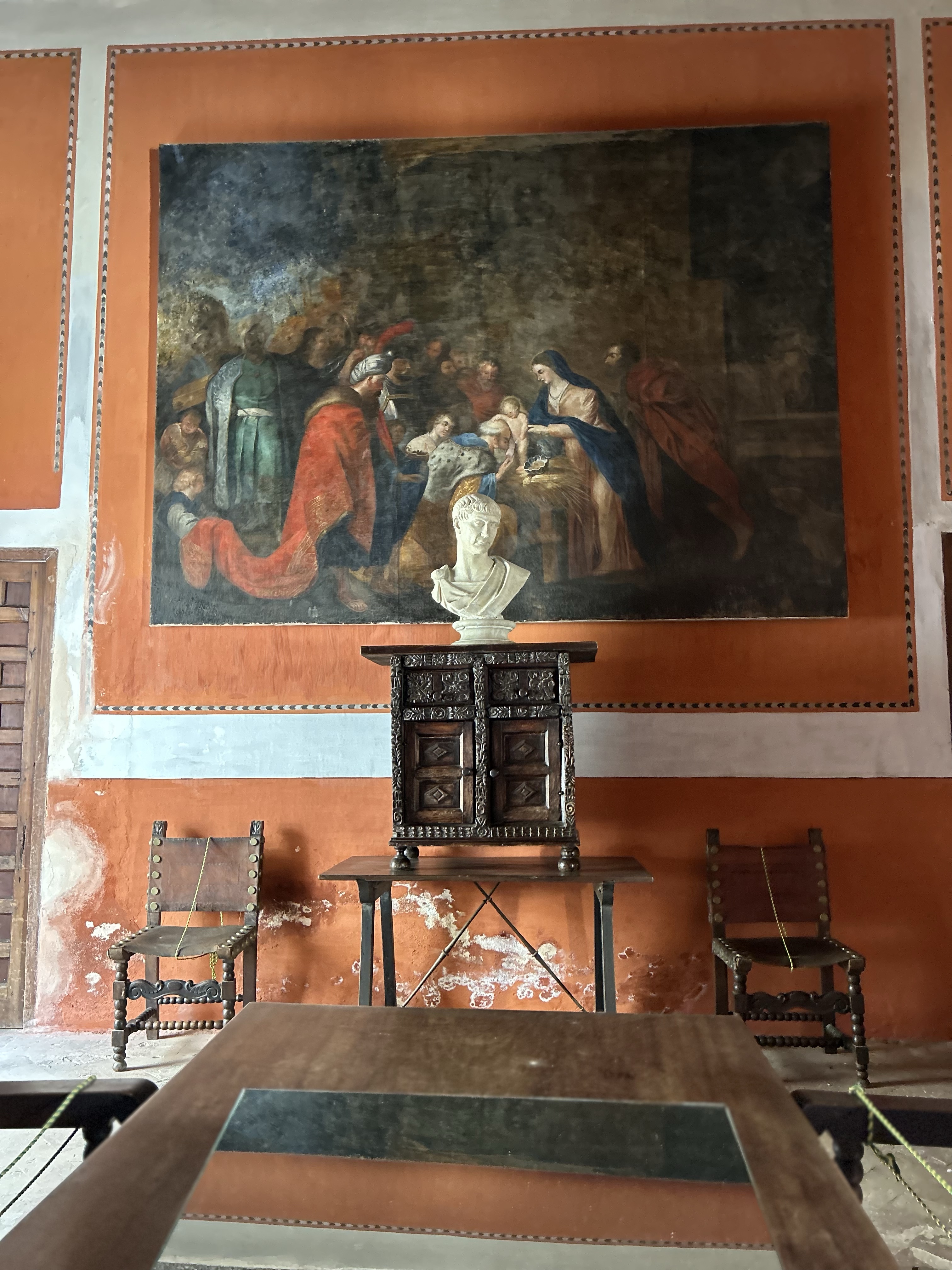
3. Barrio Santa Cruz: Once the Jewish quarter of Seville, it is a labyrinth of narrow streets, whitewashed houses, and charming squares. It bears witness to the coexistence of Jewish, Muslim, and Christian communities during medieval times. Must-See: Visit the Casa de Pilatos, a unique blend of Mudéjar, Gothic, Renaissance, and Romantic architectural styles.
4. Plaza de España: built for the Ibero-American Exposition of 1929, the Plaza de España is a testament to the city’s 20th-century architectural prowess. It showcases a harmonious blend of Renaissance Revival and Moorish Revival styles. Must-See: The semi-circular building, featuring a canal spanned by bridges, is adorned with colorful tiles representing different regions of Spain. Take a boat ride in the canal and marvel at the intricate detailing.

5. Metropol Parasol: (I didn’t see it though) also known as “Las Setas” (The Mushrooms), the Metropol Parasol is a modern architectural marvel that contrasts with the city’s historic surroundings. Completed in 2011, it stands as a symbol of Seville’s forward-looking spirit. Must-See: Ascend to the top of Las Setas for panoramic views of the city. The structure also houses an archaeological site showcasing Roman and Moorish remains.
How I planned my two days trip
Day 1: Arriving afternoon from Granada
5:00 PM – Plaza de España and Maria Luisa Park: a stroll through the lush Maria Luisa Park and spend some time to enjoy the grandeur of the Plaza de España. Admire the semi-circular building adorned with colorful tiles representing different regions of Spain.
Day 2: Exploring Seville / Day trip to Cordoba
9:30 AM – Alcazar of Seville I booked the tickets to skip the lines, a breathtaking palace complex with a rich history of Islamic and Christian influences. Explore the stunning gardens, intricate tilework, and opulent rooms that showcase the city’s diverse cultural heritage.
Afternoon: In Cordoba (details below)
Day 3: Cultural Immersion and Modern Seville
9:30 AM – Seville Cathedral and Giralda Tower, I booked the ticket to skip the lines, the largest Gothic cathedral in the world. start first by climbing the Giralda Tower, originally a minaret from the mosque that stood on the site, for panoramic views of the city.
Casa de Pilatos: Often overshadowed by the Alcazar, Casa de Pilatos is a beautiful palace with a mix of architectural styles, including Mudejar, Gothic, Renaissance, and Romantic. Explore its courtyards, gardens, and unique blend of architectural influences.
Day Trip To Cordoba
Córdoba, with its rich history and architectural wonders, is a city that invites you to wander through its enchanting streets. Córdoba’s allure lies in its ability to transport you through centuries of history while embracing the vibrancy of modern Andalusian life. At less than hour away by train from Seville, it was a no brainer to go explore it.
History:
Córdoba, a city situated on the banks of the Guadalquivir River in Andalusia, Spain, is a living testament to the coexistence of diverse cultures and civilizations. Let’s delve into the rich tapestry of Córdoba’s history and explore some of its must-see sites:
Historical Overview:
Córdoba has a storied history that stretches back over two millennia. Here’s a brief overview of its historical journey:
Roman Period (c. 169 BCE – 711 CE): Córdoba, known as Corduba, was a flourishing Roman city. It became an important administrative and cultural center, boasting structures like the Roman Bridge and the Temple of Claudius.
Visigothic Period (c. 411 – 711): The Visigoths took control of Córdoba, marking a period of political instability and decline.
Islamic Golden Age (711 – 1236): Córdoba reached its zenith under Islamic rule. During the Umayyad Caliphate, Córdoba was one of the most advanced cities in Europe. The construction of the Great Mosque (Mezquita) began, and Córdoba became a center for philosophy, science, and the arts.
Reconquista and Christian Rule (1236 Onward): In 1236, Córdoba fell to Christian forces led by Ferdinand III during the Reconquista. The Great Mosque was converted into a cathedral, symbolizing the transition from Islamic to Christian rule.
Renaissance and Baroque Periods: Córdoba experienced economic and cultural revival during the Renaissance and Baroque periods. The city saw the construction of landmarks like the Alcázar de los Reyes Cristianos.
Modern Era: In the 20th century, Córdoba underwent restoration projects to preserve its rich historical and architectural heritage. The city has become a UNESCO World Heritage Site.
Here are the places that I visited.
Alcázar de los Reyes Cristianos: a fortress and palace that served as the residence of Christian monarchs. Its lush gardens, impressive towers, and historical rooms witnessed important events in Spanish history. Be careful as it closes its doors at 2;30 pm.

Calleja de las Flores and Lunch in Casa Juderia
The Majestic Mezquita-Cathedral: Originally built as a mosque in the 8th century, the Mezquita is a masterpiece of Moorish architecture. The stunning horseshoe arches, intricate tilework, and the Christian altar added later showcase the city’s multicultural past. The intricate arches, ornate mihrab, and the stunning Christian altar are marvelous. Unfortunately my ticket did not include this, make sure though you climb the bell tower for panoramic views of the city.
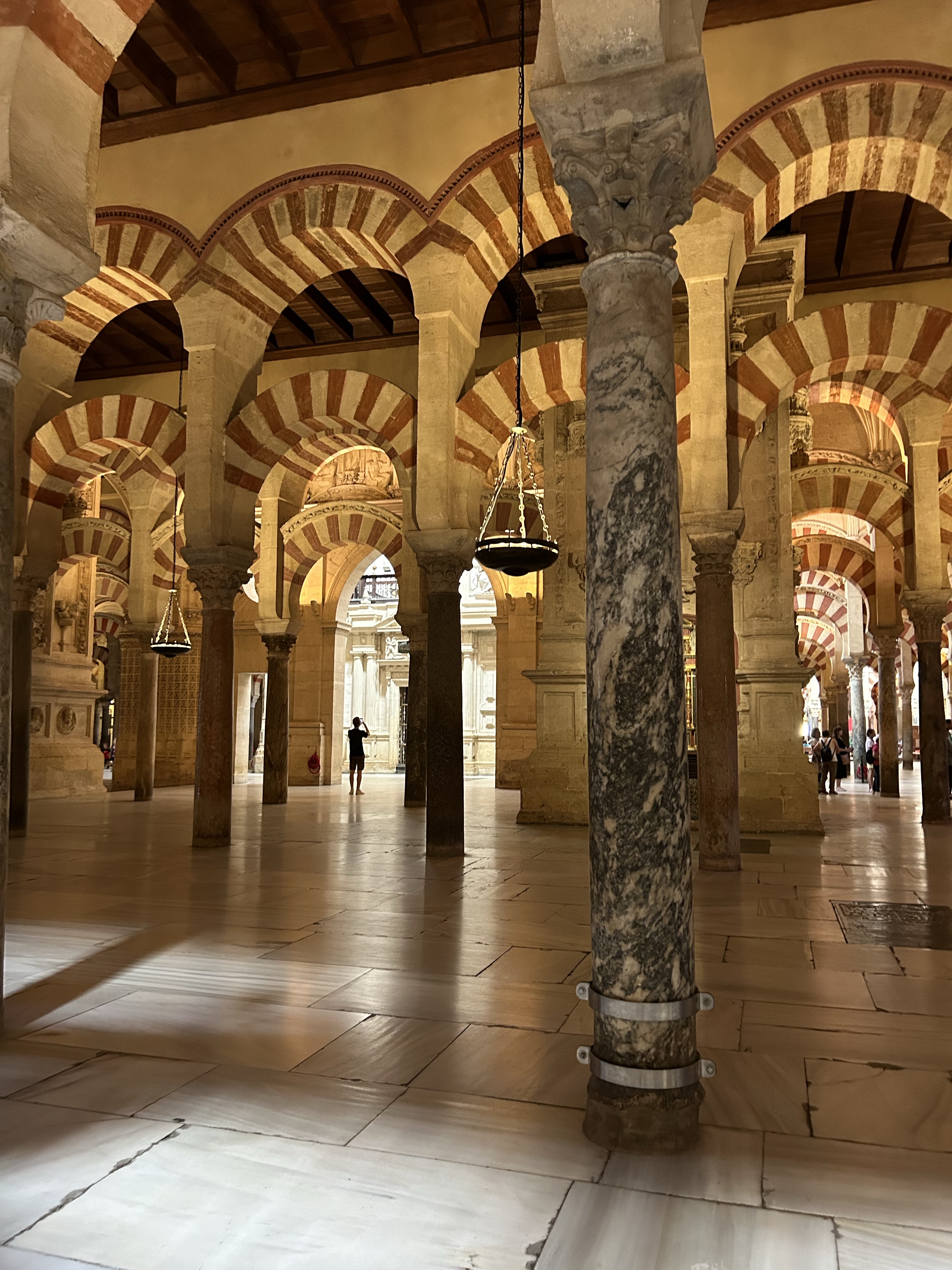
Patio de los Naranjos: Wander through the adjacent Patio de los Naranjos, a beautiful courtyard with orange trees and fountains. Take a moment to soak in the tranquility and imagine the history that unfolded within these walls.
Roman Bridge and Guadalquivir River: The Roman Bridge, dating back to the 1st century BCE, once served as a vital crossing over the Guadalquivir River. The Calahorra Tower, on the opposite bank, was later fortified and now houses a museum depicting Córdoba’s history. A leisurely stroll along the Roman Bridge spanning the Guadalquivir River. With views of the Mezquita-Cathedral and the cityscape.

Medina Azahara:I didn’t visit it: Located just outside Córdoba, Medina Azahara was a grand medieval palace-city commissioned by Abd al-Rahman III. It symbolizes the peak of the Caliphate of Córdoba and the city’s historical splendor.
Stay tuned for the upcoming posts covering all the cities and more!
Stay Fabulous and updated; subscribe to my blog, my instagram, and my Youtube channel and follow me on instagram, Facebook, tiktok, threads and twitter pages.
XOXO
La Petite


Leave a comment